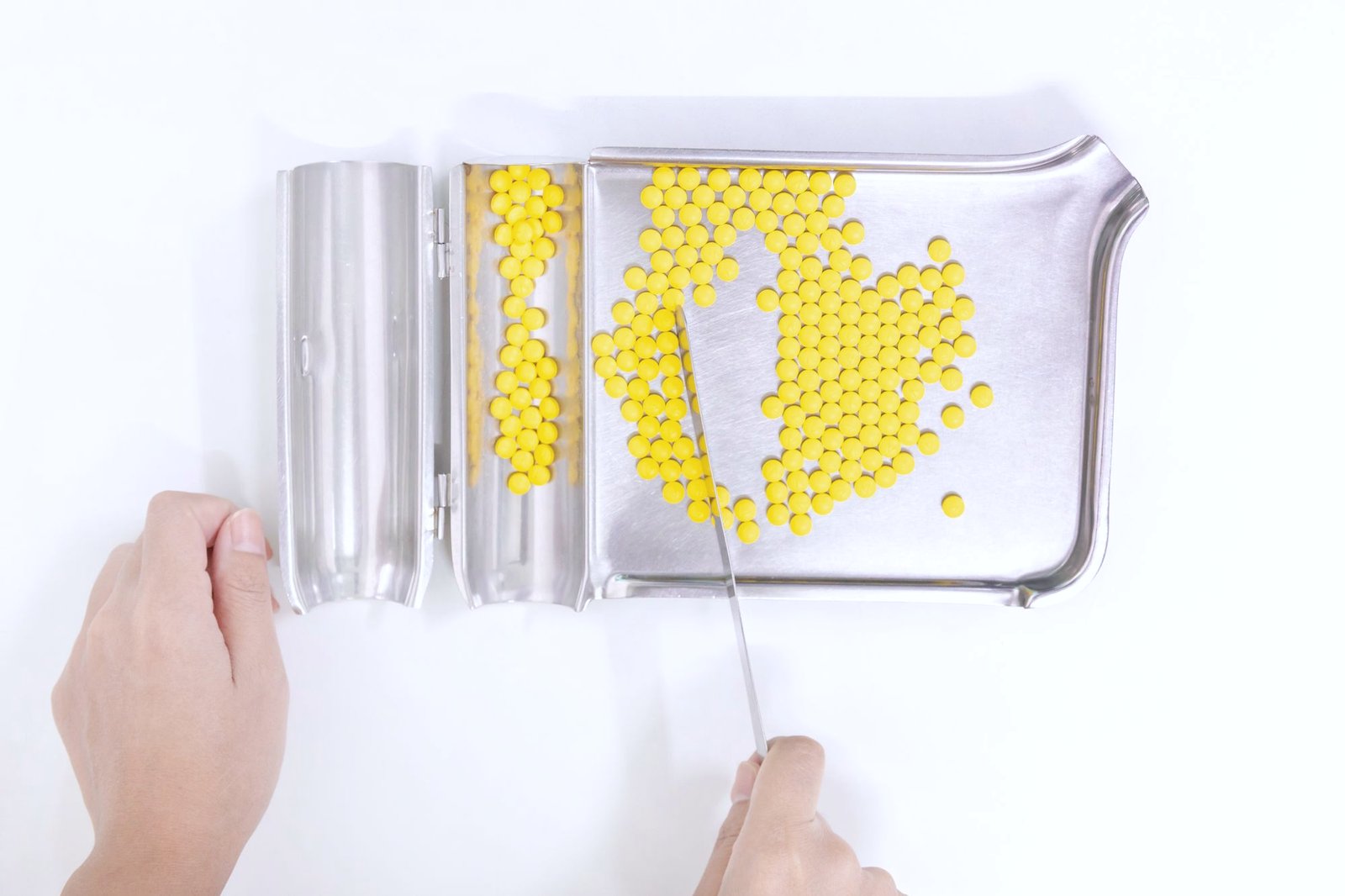
How does the indication get onto the label?
Through the directions. The prescriber writes the indication alongside the drug directions on the prescription (FAQ 3), and “pharmacists will record the clinical indication with the directions” (FAQ 4). In a 2015 BJGP letter, Dr Masters gave the example of allopurinol with the instruction “Take one daily to prevent gout” (read the letter).
Patients who do not wish to have a clinical indication recorded can have “patient preference no indication” on their repeat prescription. FAQ 4 also suggested, in 2006, that a tick box on the prescription could one day tell the pharmacist to leave the indication off the label. There is still no separate indication field: the indication is part of the directions.
Why does the reason help the pharmacist?
Many drugs have several uses. FAQ 5 gives atenolol, which may be prescribed “to lower blood pressure”, “to prevent palpitations”, “to prevent angina” or “to prevent heart attacks”; the indication helps other health staff link the right illness to the drug.
FAQ 7 says it is probable that indications can help in risk management by giving other health workers the information to balance the risk and benefit of a medicine for each patient. It calls this “particularly helpful to dispensing pharmacists”.
FAQ 5 argues that prescribing errors will be reduced if everyone involved, including pharmacists, is informed: “we simply cannot rely on the prescriber and the ‘intelligent’ computer to prevent medication errors.”
How did indications help medicines use reviews?
The pharmacist already knew why each medicine was prescribed. FAQ 16 says “the 2006 pharmacy contract invited pharmacists to interview patients in a confidential setting to explore their medicines usage”: the medicines use review (MUR). Dr Masters wrote that clinical indications make this process simpler, “as the pharmacist and patient already understand the need for the medication”.
At Dr Masters’ practice, Highfield Surgery, chronic disease reviews were held yearly, based on the patient’s birth month, so the pharmacist could time the MUR to come before the practice review.
In November 2006, Dr Masters and local pharmacist Nigel Carpenter were nominated for a Wycombe PCT award for medicine use review development. The news item said extensive use of indication labelling made the process “safer and more efficient”.
Medicines use reviews ended in England on 31 March 2021 (Community Pharmacy England). The point still holds for any review of a patient’s medicines: when the reason is on the prescription, the pharmacist and patient start from it.
What else could the pharmacist supply?
A leaflet about the condition. FAQ 7 (2006) proposed that if allopurinol is given to prevent gout, the prescriber could add “please supply information leaflet for the prescribed condition (gout) at the pharmacy”. At the time, it noted, only general leaflets about the drug were given.
At the 2005 focus group, an expert cardiac patient group said the drug leaflets in the box often caused more worry, because they listed so many possible side effects.
Where next?
A GP practice starting to add indications should tell its local pharmacies: it is courteous to let them know. See for pharmacists and medicines optimisation teams, and hospitals, where pharmacists in a 2019 study called indications “helpful” or “useful”.