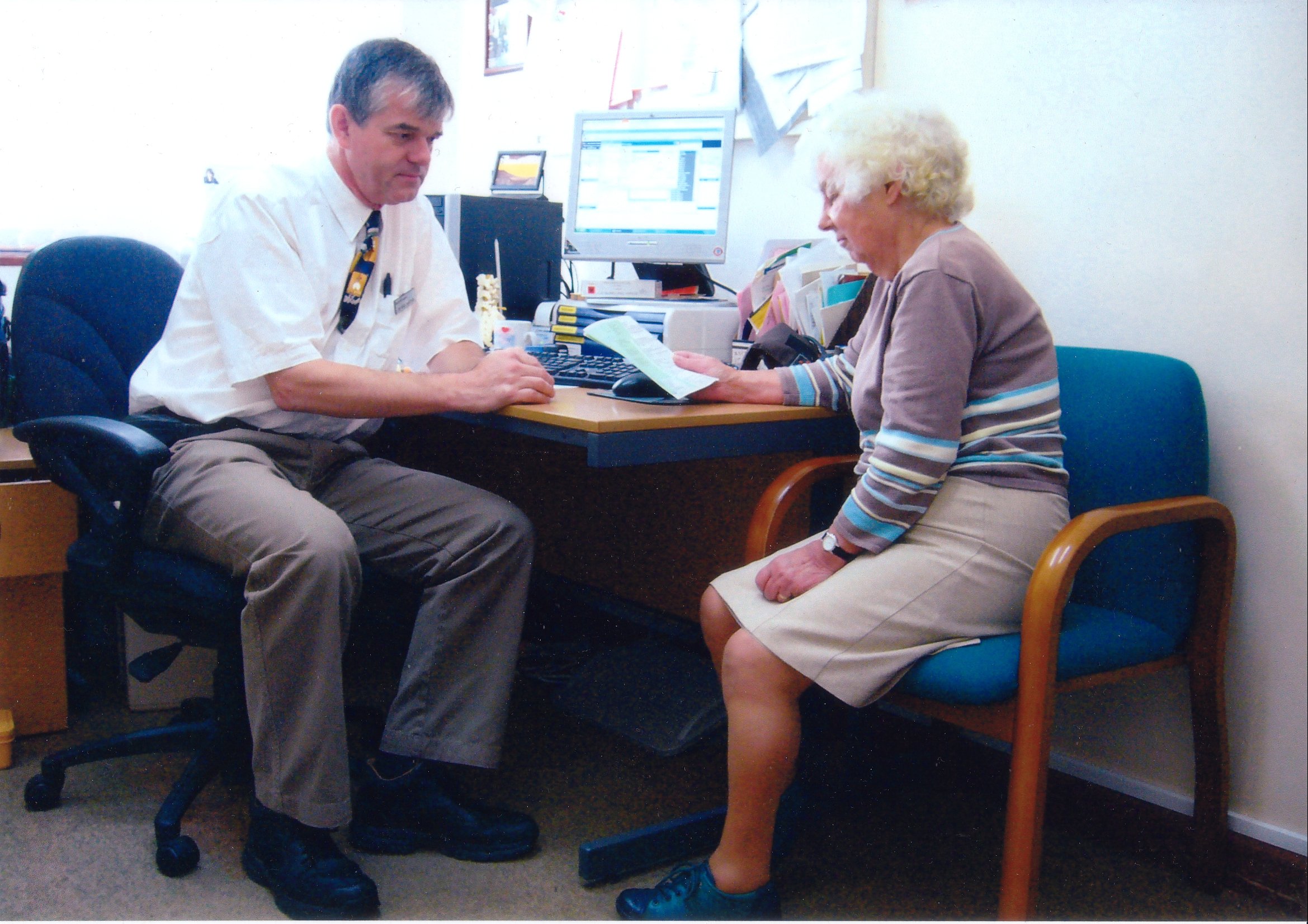
Clinical indication labelling is a simple and direct way to communicate with patients about their medicines. Clinical indications became essential with the rise of poly-pharmacy for many medical conditions, which often occur in the elderly.
In short
Clinical indication labelling adds a few words to each prescription saying what the medicine is for, such as atenolol ‘to prevent migraine’, using the existing computerised prescription pad. It explains the reason for each drug, avoids confusion for people on many medicines, and lets key safety messages be added. See what a clinical indication is.
Indication labelling is now possible due to the computer infrastructure that already exists and uses the existing computerised prescription pad. Patients do not need to have any computer knowledge or IT skills to access the benefits of this communication. A few extra words are simply added to their prescription to enhance communication.
How indication labelling helps
01
The reason for the drug
Firstly the reason for the drug is explained, for example Atenolol ‘to prevent migraine’. In many cases, drugs have a variety of uses and a precise reason can avoid confusion especially if drug insert leaflets are read.
02
Less confusion
Secondly, many elderly are on over ten different medications and it is easy for them to become confused about what each medicine is for.
03
Key safety messages
Thirdly, key safety messages can be added to the specific prescription. These simple changes revolutionise the everyday prescription such that it empowers patients. They know why they are on specific medicine and they become involved with key safety issues. “It enables me to be in control of my own health”.
Clinical indications were developed by Dr Nigel Masters, then a GP at Highfield Surgery in Hazlemere, who first described them in 2003.
“It enables me to be in control of my own health”.
This simple change in prescription writing has already received a major award for innovation in primary care supported by the Royal College of General Practitioners and the NHS, as well as a BUPA communication award.
A simple and direct way to communicate with patients about their medicines: a few extra words are added to the prescription saying what the medicine is for. The Sample Directory gives the wording for common medicines.
Why does it matter for people on many medicines?
Many elderly people are on over ten different medications, and it is easy for them to become confused about what each medicine is for. Drugs often have a variety of uses, and a precise reason can avoid confusion.
Do patients need any computer skills?
No. Indication labelling uses the existing computerised prescription pad, so patients do not need any computer knowledge or IT skills.
Has it been recognised?
Yes. It received a major award for innovation in primary care supported by the Royal College of General Practitioners and the NHS, as well as a BUPA communication award. Read about the awards.
Next step
See clinical indications in use in a working practice.
The In Practice pages show the Sample Directory, a statin compliance study, a patient focus group and audits of indications from surgery to home.
This website uses cookies and other tracking technologies to improve your browsing experience for the following purposes: to enable basic functionality of the website, to provide a better experience on the website, to measure your interest in our products and services and to personalize marketing interactions, to deliver ads that are more relevant to you.